
 10 Jul 2026
Crooked teeth are rarely just a cosmetic issue.
Crooked teeth are rarely just a cosmetic issue. They can throw off your bite, make brushing harder than it should be, and quietly set the stage for gum disease or jaw strain down the road.
If you have been putting off a consultation, this guide breaks down exactly why people seek out the best orthodontist in Bikaner for braces, what modern treatment actually involves, and how children and adults are treated differently once braces come into the picture.
Pointers About Best Orthodontist In Bikaner For Braces Treatment
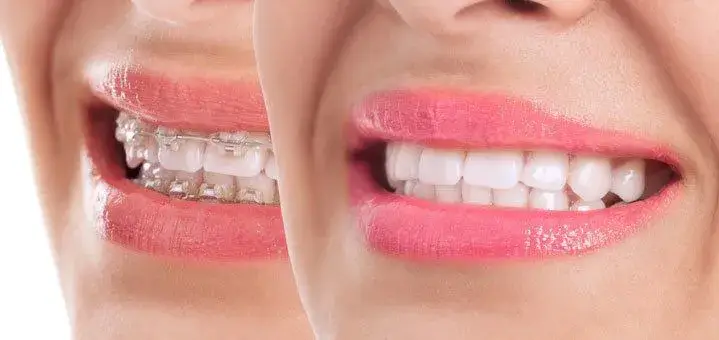
Orthodontic Treatment in Bikaner has moved well ahead of the metal-mouth stereotype most people still picture. A trained orthodontist now has several appliance options on the table, from traditional metal braces to ceramic brackets and clear aligner trays, each chosen based on how severe the misalignment is.
Finding the Best Orthodontist in Bikaner for Braces early in the process makes this decision easier, since the right specialist maps out which appliance fits your bite instead of defaulting to one option. The table below outlines common issues braces correct, along with realistic treatment timelines.
| Orthodontic Issue | What It Affects | Typical Treatment Length |
|---|---|---|
| Crowded or Crooked Teeth | Cleaning ease, gum health, appearance | 12-24 months |
| Overbite | Speech, chewing efficiency, jaw strain | 18-30 months |
| Underbite | Bite function, facial symmetry | 18-36 months |
| Open Bite | Chewing, speech clarity | 12-24 months |
| Excess Spacing (Gaps) | Food trapping, gum exposure | 6-18 months |
| Impacted or Late-Erupting Teeth | Jaw development, adjacent tooth position | Varies; monitored case by case |
Primary Reasons Why People Seek Out Orthodontic Treatment
1. Straightening Crowded or Crooked Teeth
This remains the most common reason patients book a consultation. Crowded teeth are genuinely harder to clean properly, which increases the risk of plaque formation and cavities in spots a toothbrush cannot fully reach. Straightening them is as much about long-term oral health as it is about appearance.
2. Correcting Overbites and Underbites
The overbite/underbite problem is much more serious than just affecting a person’s appearance. The problem, if not addressed, may lead to uneven wear of enamel, cause problems with jaw joints, as well as interfere with speaking clearly. All these problems usually begin rather insignificantly but become visible over time with age.
3. Repairing any Damage From Injury or Tooth Loss
Braces are sometimes used the way a cast is used for a broken bone, gently guiding teeth back into proper position after an injury or after a tooth is lost and neighboring teeth begin to shift into the gap. Catching this early prevents a small misalignment from turning into a bigger bite problem.
4. Managing Jaw Size and Tooth Spacing Issues
However, the growth rate of the jaw and adult teeth is not equal for all people. Overcrowding is caused by the situation where the jaw does not have enough space for the incoming teeth. In some cases, the teeth develop at a late stage and thus create spaces in between. An experienced orthodontist can always fix the problem through braces or aligners.
5. Preventing Long-Term Oral Health Problems
Teeth that are misaligned are linked to a longer list of issues than most people realize, including chronic bad breath, abnormal enamel wear, and a higher risk of gum disease from food and plaque getting trapped between crowded teeth. Treating the alignment early often prevents several of these problems from ever developing.
6. Relieving Jaw Pain and TMJ Strain
When a bite does not close in an even manner, the muscles of the jaw compensate every time chewing, speaking, or even bare resting of the mouth happens. Over months and years, this extra strain can lead to headaches, jaw fatigue, or temporomandibular joint (TMJ) discomfort. Correcting the underlying bite is often a more lasting fix than treating the symptoms alone.
7. Improving The Chewing Function and Nutrition
A bite that does not align properly makes chewing certain foods genuinely difficult, which can quietly push people toward softer, less nutritious diets simply because eating is more comfortable that way. Once the bite is corrected, patients typically find they can eat a fuller range of foods without discomfort.
Children & Adult Orthodontic Treatment In Bikaner
Age changes the approach but it does not close the door on treatment. Children Orthodontic Treatment in Bikaner is generally focused on guiding the jaw and permanent teeth as they come in, while Best Adult Orthodontic Treatment in Bikaner usually deals with teeth that have been in their current position for years and may need slightly longer to shift safely.
Neither group should assume orthodontic correction is off the table for them; the appliances and pacing simply differ.
| Factor | Children Orthodontic Treatment in Bikaner | Adult Orthodontic Treatment in Bikaner |
|---|---|---|
| Best Starting Age | Around 7 years for an initial evaluation | Any age once jaw growth is complete |
| Why It Works Well | Jaw bone is still developing and easier to guide | Teeth still respond to gradual pressure, just more slowly |
| Common Appliances | Space maintainers, palatal expanders, traditional braces | Ceramic braces, clear aligners, lingual braces |
| Average Duration | 12-24 months, sometimes in two phases | 18-30 months, occasionally longer |
| Added Consideration | Guides permanent teeth as they erupt | May need gum health checked first due to wear over time |
How To Choose The Best Orthodontist In Bikaner For Braces?
Not every dental clinic that offers braces has a dedicated orthodontic specialist on staff, and that distinction matters more than most patients realize. A genuine Best Orthodontist in Bikaner for Braces will spend real time examining your bite and X-rays before recommending an appliance, rather than handing you a generic quote on the first visit. Here is what to actually check before committing to a treatment plan.
- Confirm the treating doctor holds a recognized orthodontic specialization, not just a general dental degree, and is registered with the State Dental Council.
- Ask how many years of hands-on orthodontic experience the doctor has; a Senior Orthodontist in Bikaner with a long case history is generally better equipped to handle complex bite corrections, which is often what separates an average clinic from the Best Orthodontist in Bikaner for Braces in the area.
- Request a clear, written treatment timeline along with X-rays or scans used to plan your case, not just a verbal estimate.
- Check whether the clinic offers multiple appliance options (metal, ceramic, aligners) rather than pushing one product regardless of your specific case.
- Ask what the follow-up adjustment schedule looks like and how emergencies, like a broken wire, are handled between visits.
Doing Proper Care For Your Teeth And Braces During Treatment
Results depend as much on day-to-day care as the orthodontist's skill. Clean around brackets and wires daily using the technique your orthodontist recommends, since trapped food is one of the fastest ways to develop a cavity mid-treatment. Cut back on sticky and hard foods that can bend wires or pop off brackets, and keep up with regular cleanings even while braces are on. Skipping adjustment appointments, even by a few weeks, can quietly extend the treatment timeline.
To Wrap Things Up!
Orthodontic treatment impacts how well you chew, how easily you clean your teeth, and whether your jaw is working the way it should without extra strain. Whether you are evaluating options for a child's first orthodontic visit or considering treatment for yourself as an adult, choosing the Best Orthodontist in Bikaner for Braces comes down to checking real qualifications, asking for a clear treatment plan, and picking a clinic that treats both children and adults with equal care.
Dencity Dental Clinic in Bikaner offers experienced orthodontic care for patients of every age, backed by a team that treats each case on its own merits rather than a one-size-fits-all plan.
Recent Posts
Frequently Asked Questions
Not significantly as the metal, ceramic, and clear aligners all move teeth using steady pressure over time. Material mainly affects appearance and comfort, while duration depends more on how severe the misalignment is to begin with.
No. Teeth can shift at any age as long as the gums and jaw bone supporting them are healthy. Adults sometimes need slightly longer treatment than children since bone remodeling slows with age, but this rarely rules out treatment.
A mild lisp or temporary adjustment period is common in the first one to two weeks as your tongue gets used to the new hardware in your mouth. This typically resolves on its own without any extra correction needed.
Mostly patients return every 4 to 6 weeks so the orthodontist can tighten wires or swap aligner trays and track how the bite is shifting against the original treatment plan.
Nearly every patient is fitted for a retainer immediately after braces are removed. Teeth can drift back toward their original position without one, so retainer wear, even part-time, is a standard part of keeping results stable long-term.
Yes. Crowding and bite problems generally do not self-correct and tend to gradually worsen, which is why dentists usually recommend addressing noticeable misalignment sooner rather than waiting for it to become more complex to treat.