
Dental Crown Multispeciality Clinic In Bikaner
A damaged, weak, or heavily filled tooth may need extra protection to restore its function and appearance. For a good reason, the dental crown treatment is an excellent option. The crowns are custom-made covering placed over a prepared tooth to help protect it and get it back to its shape, strength, and chewing function.
What Is A Dental Crown?
A dental crown is a tooth-shaped restoration alternative that mainly covers the visible part of a damaged or weakened tooth. This crown is designed to fit over the prepared tooth and restore its function and appearance.
However, not every damaged tooth needs a crown. The right treatment depends on the condition of the tooth, surrounding gums, bite, and the amount of healthy tooth structure remaining.
A crown may be considered when a tooth has:
- Significant decay or damage.
- A large filling with limited remaining tooth structure.
- A crack or fracture that requires protection.
- Undergone root canal treatment.
- A cosmetic concern that can appropriately be treated with a crown.
Step-By-Step Dental Crown Procedure
If you’re planning to get a dental crown in Bikaner, knowing how the treatment works can make the entire process feel much easier. From examining and preparing the affected tooth to placing a custom-made crown, the dental crown placement procedure typically involves the following steps:
Step 1 – Dental Examination
The very first step of the dental crown treatment in Bikaner is a detailed examination of the tooth. Before recommending a crown, your dentist needs to check whether your tooth can be restored or it requires the appropriate crown treatment.
Within your dental examination, the dentist may:
- Check the damaged, broken, weakened, or decayed tooth.
- Examine how much healthy tooth structure is left.
- Identify signs of tooth decay or cracks.
- Analyze the surrounding gums for inflammation or other problems.
- Check the teeth next to the affected tooth.
- Examine your bite to understand how the upper and lower teeth meet.
- Ask about signs such as pain, sensitivity, swelling, or difficulty chewing.
- Review any previous dental treatment performed on the tooth.
- Check whether the tooth has undergone root canal treatment.
- Take dental X-rays when clinically required.
Step 2 – Treatment Planning
One of the crucial dental crown procedure steps is the proper planning of the treatment. After the detailed examination, the dentist begins with am appropriate plan.
Beyond just “putting a cap” on the tooth, planning involves further examination to ensure the specific functional and aesthetic requirements of different teeth. While planning, your dentist may discuss:
- The need for a dental crown replacement.
- Whether a crown is the most appropriate treatment for your tooth.
- Other available treatment options.
- If the tooth requires dental crown after root canal treatment.
- Different types of dental crowns for your tooth.
- Material of the crown, such as ceramic, porcelain-based or metal option.
- Expected number of dental appointments.
- Estimated treatment time and expected dental crown cost.
- Aftercare and maintenance requirements.
Step 3 – Tooth Preparation
Once the dental crown placement procedure plan is finalised, the tooth is prepared for the crown. To accommodate the crown, the dentist carefully reshapes the tooth and removes any damaged or decayed structure that needs to be removed.
The tooth preparation may involve:
- Giving local anaesthesia when appropriate.
- Removing dental decay or damaged tooth structure.
- Reshaping the tooth to create adequate space for the crown.
- Creating the appropriate shape for the crown to fit securely.
- Smoothing the prepared tooth.
- Creating a suitable finishing line around the tooth.
- Preserving healthy tooth structure wherever possible.
- Checking the prepared tooth before moving to the next step.
Step 4 – Digital Scan Recording
After the tooth has been prepared, now your dentist will require an accurate record of the prepared tooth. This recorded information is used to create a crown that is designed to fit your tooth and work correctly with the surrounding teeth. Also, the records are then used for designing and manufacturing the permanent crown.
Depending on the clinic and treatment method, your dentist may require the following:
- A dental impression
- A digital intraoral scan
- A combination of both the records
Also, your dentist will be recording:
- Shape of the prepared tooth
- Position of neighbouring teeth
- Opposing teeth
- Your bite relationship
- Required crown shape
- Desired and appropriate tooth shade
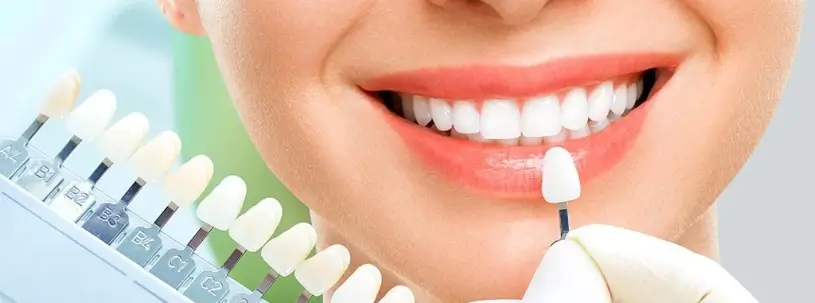
Step 5 – Selection Of Crown Shade
For a visible tooth, shade selection that suits the best with your surrounding teeth is also one of the important dental crown placement steps. This step is also crucial for patients receiving crowns on their front teeth as the restoration may be visible when speaking or smiling.
The goal is to select an appropriate shade and not just simply choosing the whitest available colour. For this reason, which dental crown is best for front teeth is determined by considering your tooth's function, remaining structure and bite.
Your dentist will also consider the following factors:
- The natural color of your teeth
- Color of the surrounding teeth
- Shade required for the new crown
- The best dental crown material
- Location of the tooth
- Overall appearance of your smile
Step 6 – Temporary Crown Placement
If the permanent dental crown placement procedure is not possible at the same appointment, your dentist may recommend a temporary crown. These are designed to protect the prepared tooth till the permanent restoration is made.
A temporary crown may help you:
- Protect the prepared tooth from external pressure and irritation.
- Reduce sensitivity and potential problems.
- Maintain the original shape of the tooth.
- Allow proper functionality to eat, chew, and speak.
Note – If your temporary crown becomes loose or falls out, immediately contact dental crown specialist near me in Bikaner. Do not attempt a permanent repair yourself.
Step 7 – Laboratory Preparation
With the help of information recorded in digital scans and impressions, the manufacturing of permanent dental crown begins. Depending on the best dental crown material selected and laboratory process, the crown may be fabricated using dental laboratory techniques and digital manufacturing processes.
The whole laboratory preparation involves:
- Designing of the crown according to the dentist’s prescription.
- Creating the appropriate shape of the dental crown.
- Selecting and reproducing the required shade.
- Using the selected material and forming the crown.
- Adjusting the crown appropriately with the surrounding teeth.
- Finishing the chewing surface and polishing the restoration.
Step 8 – Dental Crown Placement
Once the dentist approves the crown’s overall fit, appearance, and bite, the permanent crown can be placed. However, the exact technique is used during dental crown placement depends on the type of crown and the clinical situation.
Your dentist will perform the following dental crown placement steps:
- Cleaning and preparing the tooth.
- Preparing the inner surface of the crown for the selected restoration.
- Applying the appropriate dental cement or bonding material.
- Carefully positioning the crown over the prepared tooth.
- Ensuring that the crown is fully seated.
- Allowing the cement or bonding material according to the manufacturer's instructions.
- Removing excess cement where required.
- Checking the crown margins.
- Checking the patient's bite again after placement.
Step 9 – Final Check And Long-Term Care
After completing the dental crown placement procedure, now your dentist will perform a final check to make sure the crown fits comfortably and works properly with your natural bite. You also need to pay attention to the given instructions on how to care for the crown and the respective tooth.
During the final check, your dentist may:
- Ask you to bite normally and check how the upper and lower teeth work together.
- Check whether the crown is making enough contact with the opposing tooth.
- Use dental marking material to look for the areas where the bite may be too high.
- Make minor adjustments if required.
- Check the crown's edges and surrounding gum area.
- Confirm that the crown feels comfortable.
- Explain what to expect during the first few days after treatment.
A newly placed crown may feel slightly different from your natural tooth. But, over the time, you get used to it. If the crown feels unusually high when biting, causes persistent discomfort, or feels loose, contact your nearby crown dental clinic Bikaner, for further examination and required adjustments.
Make sure you keep the following things in mind to maintain your crown and oral health:
- Brush your teeth twice a day with fluoride toothpaste.
- Clean between your teeth daily with floss or another suitable interdental cleaning method.
- Pay attention to the gum area around the crown.
- Avoid using your teeth to open packages or bite hard, non-food objects.
- Follow any specific cleaning instructions provided by your dentist.
- Attend regular dental check-ups.
How Long Does A Dental Crown Procedure Take?
A simple dental crown procedure may require one or more appointments, and it depends on the type of crown, the condition of the tooth, and the procedure performed.
Every tooth and treatment plan is different, so it depends that how long does dental crown take to settle. The overall treatment time depends on:
- Initial dental examination to determine whether a crown is suitable.
- The condition and amount of tooth structure remaining.
- If the tooth has decay, infection, or requires root canal treatment, the time extends.
- Impression or digital scanning for accurate record of the prepared tooth.
- Crown fabrication to make the permanent crown.
- Final crown appointment to check the crown's fit, appearance, contacts, and bite.
- Minor adjustments to ensure the crown feels comfortable and functions properly.
Types Of Dental Crowns – Which One Is Best For You?
Dental crowns are available in different materials and designs, and has specific characteristics. Choosing the right option depends on your tooth’s condition, location, appearance, bite, and functional requirements. Here are the common dental crown types:
Porcelain Dental Crown
A porcelain dental crown gives you a natural-looking appearance and may be considered when aesthetics are particularly important. It can be an option for selected front or back teeth depending on the patient's clinical requirements.
Ceramic Crowns
Modern dental ceramics are available in different forms. These may be selected based on strength, appearance and the position of the tooth.
Metal Crowns
If you’re focusing on durability, metal crowns can be considered. However, their appearance is different from tooth-coloured restorations.
Porcelain-Fused-To-Metal Crowns
These crowns combine a metal structure with a tooth-coloured outer layer. They may provide you a balance between strength and appearance in suitable cases.
Stainless Steel Dental Crown
A stainless steel dental crown is different from the tooth-coloured crowns. These crowns are frequently used in specific situations, such as children's primary teeth. Typically, a dental crown for 5 year old may be recommended to protect a severely damaged or decayed baby tooth.
How Much Does A Dental Crown Cost?
The dental crown price can vary from one patient to another. It’s because the total cost depends on the type of crown, the condition of the tooth, and any additional treatment that may be required.
When considering the dental crown treatment in Bikaner, understand the following factors that can influence the overall dental crown cost:
- Type of dental crown, such as porcelain, ceramic, zirconia, metal, or porcelain-fused-to-metal.
- The material selected can impact the overall dental crown price. It is based on its properties, manufacturing process, and clinical suitability.
- If any tooth is extensively decayed, damaged, or weakened, it may require additional treatment before the crown is placed.
- If root canal treatment is required before crown placement, it may add additional cost to overall treatment price.
- The price for a front tooth may differ from those for a molar.
- Tooth rebuilding, gum treatment, or other necessary dental procedures may add to the overall cost.
- The cost can also depend on how the crown is designed and manufactured and the laboratory process involved.
- If multiple teeth require crowns, the total treatment cost will differ from that of a single crown.
- Depending on the treatment plan, appointments, bite adjustments, or follow-up also decide the overall treatment process.
Dental Crown Problems – Common Issues To Watch For
Dental crowns are designed to restore and protect damaged or weakened teeth, but like any dental restoration, they can sometimes develop problems.
Understanding common dental crown problems can help you decide when you should contact crown multispeciality dental clinic in Bikaner. Have a look:
Tooth Sensitivity
If you experience temporary sensitivity to hot or cold after crown placement or persistent or severe sensitivity, look for the crown dental clinic near me and reach out to the specialist.
Pain Or Discomfort
Mild discomfort may occur after treatment, but you must not ignore any ongoing or worsening pain.
Crown Feels Too High
If the crown feels higher than the surrounding teeth when you bite, your dentist may need to check and adjust the bite.
Loose Dental Crown
A crown can sometimes become loose. Go for the detailed examination by a dentist and avoid fixing it at home.
Crown Falls Off
If you don’t know what to do if dental crown falls off, keep it safe and contact your dentist. They can determine whether it can be re-cemented or needs replacement.
Chipped Or Damaged Crown
Crowns can sometimes become chipped or damaged, particularly when exposed to excessive biting forces or habits such as chewing hard objects.
Gum Irritation
Redness, tenderness, or irritation around the crown may require a dental examination, particularly if it persists.
Food Getting Trapped
Food repeatedly getting stuck around a crown may indicate an issue with the crown's contact, surrounding tooth, or gums and should be assessed.
Decay Around The Crown
Although the crown itself cannot develop tooth decay, the natural tooth surrounding or underneath the restoration can still face problems by decay.
Changes In Appearance
A crown may become worn, damaged, or aesthetically different from neighbouring teeth over time.
Get Expert Dental Crown Treatment In Bikaner
A dental crown can be an excellent option for getting a damaged, weakened, or extensively treated tooth back to its normal state. However, the right crown type depends on your individual dental needs. From choosing the appropriate material to understanding the dental crown cost, procedure, precautions, and possible problems, a professional dental assessment is an important. If you are looking for dental crown treatment in Bikaner, consult a qualified dentist to examine your tooth and discuss suitable treatment options.
Frequently Asked Questions
A dental crown is designed to be a long-term restoration approach, but it is not permanent for life (if not required). It lasts depending on the crown material, oral hygiene, bite, tooth condition, and daily habits. With proper care and regular dental check-ups, a crown can remain functional for many years.
The tooth is generally treated under local anaesthesia to help keep the procedure comfortable. The patient may feel some pressure or vibration during the procedure, but on feeling significant pain should be discussed with the dentist. Some temporary sensitivity or discomfort can occur after treatment.
The time required for a dental crown procedure depends on the tooth and the treatment required. A conventional crown may require more than one appointment for preparation, fabrication, fitting, and placement. But, additional treatment, such as root canal treatment, may make the overall process longer. Your dentist can provide a more accurate timeline after evaluating your tooth.
There is no single dental crown that is best for every patient or every tooth. The choice depends on tooth location, remaining tooth structure, bite, appearance, and oral functional requirements. The available options, such as ceramic, porcelain-based, zirconia, metal, and other crown may be suitable in different situations.
If local anaesthesia was used, it is typically advised to wait until the numbness vanishes before chewing. It helps prevent you accidentally biting your cheek, lip, or tongue. If you have a temporary crown, your dentist may ask you to avoid hard or sticky foods. Make sure you follow the specific eating instructions provided by your dentist after the procedure.
For front teeth, the appearance, colour, shape, and natural-looking finish of the crown are important considerations. Tooth-coloured ceramic or porcelain-based options may be considered for suitable cases. The dentist will also assess the tooth's strength, remaining structure, and bite before selecting a material. Therefore, the best crown for front teeth depends on your individual dental requirements.
Molars experience significant chewing forces. Therefore, consider strength and function when selecting a crown. Depending on an individual case, materials such as zirconia, metal, or other suitable options may be considered. The dentist will also examine the remaining tooth structure, bite, and overall oral health. The most suitable crown for a molar should therefore be selected after a professional dental examination.