
 10 Jul 2026
Everyone knows that kids don't come with a manual, and so is the case with their teeth.
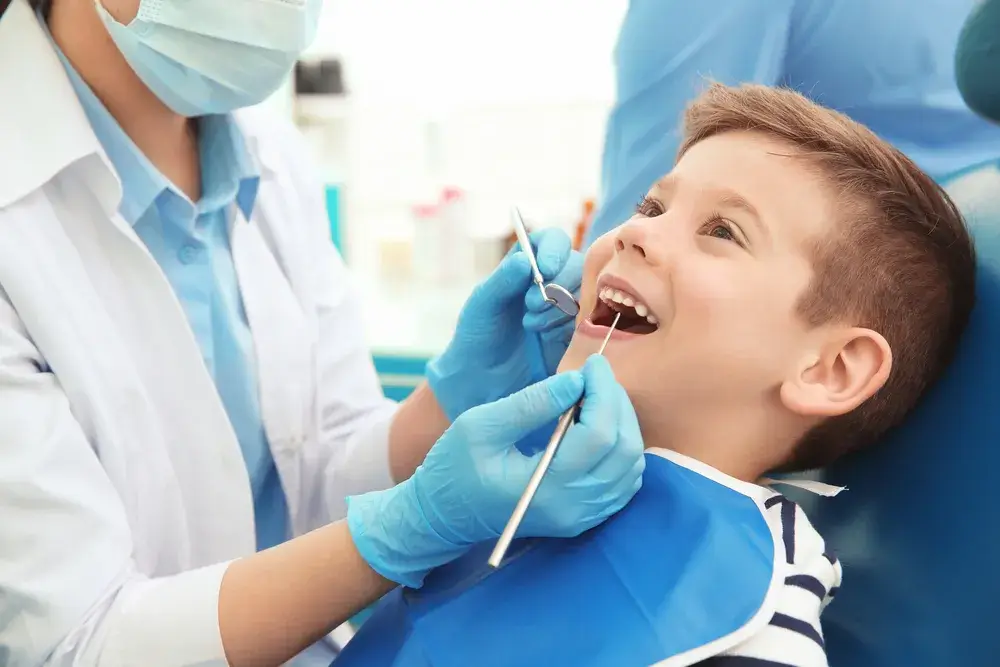
Everyone knows that kids don't come with a manual, and so is the case with their teeth. A cavity that starts small in a baby tooth can turn into pain, swelling, or a missed day of school, faster than most parents expect. That's exactly why the field of Pediatric and Preventive Dentistry exists, to catch problems while they're still small and build habits that carry into adulthood.
If you're trying to find the right Pediatric Dentist in Bikaner for your child, this guide breaks down what actually matters, using current clinical guidelines and real numbers instead of guesswork.
Why Pediatric And Preventive Dentistry Matters More Than Most Parents Realize?
Tooth decay to this day remains the single most common chronic disease of childhood, ahead of asthma and allergies. The Centers for Disease Control and Prevention tracks this closely, and the numbers explain why early intervention through Pediatric and Preventive Dentistry makes such a difference.
| Age Group | Untreated Tooth Decay | What It Measures |
|---|---|---|
| 2–5 years | 11% | Primary (baby) teeth |
| 6–8 years | 18% | Primary teeth |
| 6–11 years | 3% | Permanent teeth |
| 6–9 years | 50% | Any cavity, treated or untreated |
Source: CDC 2024 Oral Health Surveillance Report, National Health and Nutrition Examination Survey.
This disparity exists according to socioeconomic status as well. The probability of an untreated cavity among children between ages 6 and 9 that come from low-income families is more than double those who come from high-income families. This tells a great deal more about accessibility rather than behavior. This is where the specialty gets its name from. On one hand, we treat problems that occur, on the other hand, we prevent new cavities from forming.
Pediatric Dentist vs. Family Dentist: What's Actually Different
Parents normally assume that any dentist can handle a child's mouth. Technically true. But it isn't the same as specialized care, and the difference shows up the moment a child gets nervous in the chair.
| Feature | Family Dentist | Pediatric Dentist |
|---|---|---|
| Training after BDS | General practice | 2–3 additional years, MDS specialization exclusively in children's oral health |
| Age range treated | All ages | Infancy through the teenage years |
| Clinic setup | Standard adult-sized equipment | Child-sized chairs, instruments, and calmer sedation options |
| Behavior training | Limited | Coursework in child psychology and behavior guidance |
A general dentist treats a five-year-old the same way they'd treat a fifty-year-old, just with smaller tools. A specialist in Pediatric and Preventive Dentistry is trained specifically to work with a child's temperament, their fears, and their developing teeth. Which makes a real difference in how a child feels about dental visits, years afterward too.
When Should Your Child First See A Pedodontic In Bikaner?
According to the American Academy of Pediatric Dentistry (AAPD) and the American Academy of Pediatrics (AAP), a child's first dental visit should happen within six months of the first tooth erupting, or by their first birthday, whichever comes first. Earlier than most parents expect, honestly. But it establishes what dentists call a “dental home,” a consistent place for checkups, fluoride application, and early guidance.
A few practical milestones worth knowing:
- First tooth eruption: start brushing immediately with a point size quantity of fluoride toothpaste, in other terms make sure it is no larger than a grain of rice.
- 12–14 months: begin the shift from bottle to sippy cup to limit sugar pooling around the teeth during sleep or naps.
- Age 2: move from sippy cup to an open cup entirely.
- Age 6 and again around age 12: first and second permanent molars erupt and are strong candidates for protective sealants.
A consultation with a Pedodontic in Bikaner at the right age means fewer emergency visits later and a child who isn't afraid of the chair.
How To Find The Best Pediatric Dentist In Bikaner?
Once you know why timing matters, the next step is narrowing your options. A short checklist helps:
- Location and accessibility – Search using terms like “Pediatric Dentist in Bikaner near me” and shortlist clinics you can realistically reach for regular six-month visits.
- Working hours – Confirm the clinic's timings line up with your child's school and nap schedule so appointments don't turn into a struggle.
- Specialization on paper – Ask directly whether the doctor holds a postgraduate specialization in children's dentistry, not just a general BDS degree.
- Word of mouth in your area – Parents comparing a Pediatric Dentist Bikaner shortlist usually narrow it down faster once they ask neighbors or their child's pediatrician for a direct referral.
- First impression of the clinic – A colorful, uncluttered waiting area and a calm front desk usually reflect how the rest of the visit will go.
Doing this legwork before booking saves you from switching dentists mid-treatment. That's harder on a child than most parents realize, and it usually means starting the trust-building all over again.
Checking The Qualifications Of A Pedodontic In Bikaner
Credentials matter more in pediatric care than almost any other dental specialty, since the treatment window covers a child's entire growth period.
| Credential | What to Verify |
|---|---|
| BDS registration | Valid registration with the State Dental Council, usually displayed at the clinic |
| MDS – Pediatric and Preventive Dentistry | A dedicated three-year postgraduate specialization focused only on children's oral health |
| Continuing education | Recent training in sedation protocols, behavior guidance, or dental trauma management |
| Case experience | Comfort treating infants, toddlers, and children with special healthcare needs |
Don't hesitate to ask a clinic directly about these credentials, a legitimate pediatric dentist won't have any issue sharing their qualifications and experience with you.
Reading Reviews And Asking Other Parents
Online reviews reveal patterns a clinic's own website won't ever mention, things like how the staff handled a scared toddler or how long the wait times usually run. Read a handful of recent reviews rather than just the top-rated ones, recency tells you more about current staff and practices than an old five-star post from three years back.
Recommendations from other parents in your circle carry similar weight, maybe more. If a friend's child walked out of an appointment smiling instead of crying, that's a strong signal worth following up on.
It also helps to ask specific questions rather than general ones. Instead of “Do you like your dentist?” try “How did your child react during the visit?” This kind of ground-level feedback is often more useful than anything you'll find searching a Pediatric Dentist Bikaner listing online.
What Happens At The First Consultation?
The first visit tells you almost everything you need to know about whether a clinic is the right fit.
| What to Observe | Why It Matters |
|---|---|
| Child's comfort level | Predicts how future visits will go |
| Clinic environment | A child-friendly setup lowers anxiety before treatment even starts |
| Communication style | Dentists who explain steps in simple, age-appropriate language build trust faster |
| Follow-up plan | A clear recall schedule, typically every six months, signals organized preventive care |
If your child leaves comfortable and you leave with clear answers, you've likely found your long-term pediatric dental care provider.
What Preventive Dentistry Habits Should Be Built At Home?
Clinical visits only cover part of the picture. The rest happens at your own sink and dinner table:
- Brush twice daily with a pea sized amount of fluoride toothpaste once your child is old enough to spit reliably (around age 3).
- Start flossing as soon as you notice two teeth touching each other.
- Limit sugary drinks and snacks between meals, and never send a child to bed with a bottle of anything but water.
- Ask about fluoride varnish and sealants at each preventive visit, both are quick, painless, and backed by decades of research from the ADA and AAPD.
- Keep the six-month checkup rhythm even when nothing seems wrong; most cavities are painless until they aren't.
Why Trust Dencity In Bikaner For Pediatric And Preventive Dentistry?
Dencity Dental Clinic has built its pediatric practice around exactly the standards outlined above: a child-friendly setup, a team trained in Pediatric and Preventive Dentistry, and a preventive-first approach rather than a treat it when it hurts one.
Whether your child is in a need of routine checkup, a filling, or a first-ever dental visit, the team works to keep the experience calm and age-appropriate from the moment you walk in. If you've been searching for a best pediatric dentist in Bikaner who treats your child as an individual rather than another appointment slot, book a consultation and see the difference a dedicated pediatric approach makes.
Recent Posts
Frequently Asked Questions
It should be done at around six months of the first tooth appearing, or by their first birthday, whichever happens first, per AAPD and AAP guidelines.
A pedodontist completes additional postgraduate training in Pediatric and Preventive Dentistry, focused entirely on infants, children, and teenagers, including behavior guidance and child-specific equipment.
Every six months in most cases, though a dentist may recommend more frequent visits for a child with a higher cavity risk.
Yes. Modern digital X-rays use minimal radiation and are only taken when clinically necessary, following ADA guidelines for pediatric imaging.
This is quite normal and can be handled easily. Behavior management methods used by pediatric dentists include 'tell-show-do', which involves explaining and demonstrating what will be done prior to handling the child's mouth. Having a stress-free initial visit during childhood often avoids fear from ever arising.