
Teeth Whitening Services In Bikaner: Treatment Cost And Procedure
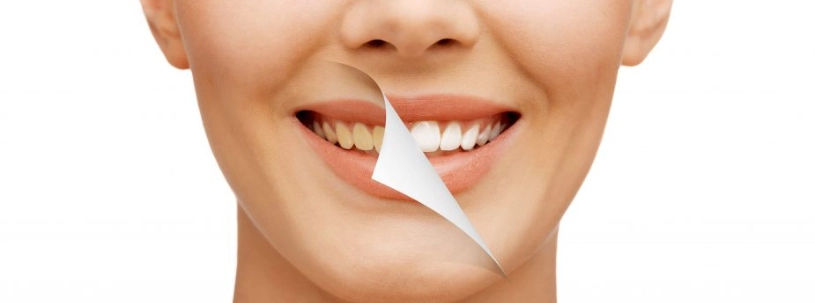
A bright, confident smile can make a noticeable difference to your overall appearance. Right? Well, there are millions of people who witness that their teeth gradually become yellow or stained. It could be due to coffee, tea, tobacco, certain foods, ageing, and other factors. Here comes the ultimate solution, which is a teeth whitening treatment. It's a popular cosmetic dental procedure that helps improve the appearance of stained or discoloured natural teeth.
So, if you are also looking for teeth whitening in Bikaner, continue reading this blog. In this, we have covered the available treatment options, procedure, expected results, and teeth whitening cost.
Get a brighter, more confident smile with professional teeth whitening services in Bikaner at Dencity. Contact us to learn more about the procedure, treatment options, and teeth whitening prices.
Different Types Of Professional Teeth Whitening Services In Bikaner
Achieving a brighter smile is possible with professional teeth whitening services in Bikaner. The teeth whitening dentist can assess your teeth and recommend the most appropriate plans based on your teeth' specifications, such as tooth shade, type of staining, oral health, and desired results. Below are the available options for teeth whitening in Bikaner:
1. In-Clinic Professional Teeth Whitening
This treatment is performed at a dental clinic under the supervision of a certified teeth whitening dentist. This procedure involves application of a whitening gel on the teeth. The dentist carefully shields your gums and soft tissues through the gel. It is a good option for patients looking for noticeable results within a relatively short treatment time.
2. Laser Teeth Whitening
Laser teeth whitening Bikaner treatment is also performed at clinics only. In this, a light or laser may be used with a professional whitening agent, depending on the system used by the clinic. The dentist applies the whitening material and follows the specific protocol of the whitening system.
3. Combination Teeth Whitening
Some teeth whitening dentists in Bikaner may recommend a combination of in-office whitening and dentist-supervised home whitening. This approach can be considered when a patient wants both an initial whitening treatment and a method for maintaining the results.
4. Teeth Whitening For Specific Stains
Not all tooth discolouration is the same. A dentist may first determine whether the staining is caused by food and drinks, tobacco, ageing, medication, or changes within the tooth. Depending on the cause and your overall oral health factors, whitening treatment may be recommended. Also, the teeth whitening charges are dependent on these factors.
What Is A Teeth Whitening Procedure?
A teeth whitening treatment is a cosmetic dental treatment designed to correct the color of natural teeth and reduce certain types of stains. The professional teeth whitening dentist commonly uses peroxide-based whitening agents, such as hydrogen peroxide or carbamide peroxide in this treatment. These agents work on the compounds responsible for tooth staining and can produce a noticeably brighter smile.
The appropriate treatment depends on factors, such as type and severity of a tooth staining, overall oral health, and the desired result. The dentist then examines your teeth and recommends the most suitable option.
Step-By-Step Teeth Whitening Procedure
The exact teeth whitening procedure can vary depending on the treatment system used, and so does the price of teeth whitening procedure. A typical professional treatment involve the following steps:
Step 1 – Dental Examination
Before whitening, the dentist examines your teeth and gums. Existing cavities, gum problems, sensitivity, restorations, or other dental concerns may need to be addressed before cosmetic whitening.
Step 2 – Cleaning And Shade Assessment
The teeth whitening dentist may recommend a professional cleaning to remove plaque and surface deposits. Your existing tooth shade can also be assessed so that the improvement can be evaluated after treatment.
Step 3 – Gum Protection
During an in-office teeth whitening procedure, the dentist takes necessary precautions to protect the gums and other soft tissues from direct contact with the whitening gel.
Step 4 – Application Of Whitening Gel
Once the teeth and gums are properly prepared, the dentist carefully applies a professional whitening gel to the visible surfaces of the teeth. This gel typically helps reduce stains and discolouration on the teeth. The dentist uses the appropriate concentration and amount based on the treatment plan to get you effective whitening.
Step 5 – Light Or Laser Activation
Some whitening systems use a light as part of the treatment. This is why patients may commonly search for laser teeth whitening when looking for professional whitening options.
Step 6 – Treatment And Shade Changes
After the recommended treatment duration, the teeth are evaluated to determine the change in shade. Depending on the starting colour, type of staining, and treatment method, more than one session may sometimes be recommended.
How Much Does Teeth Whitening Cost?
The teeth whitening treatment cost varies from one clinic to another. For patients comparing the cost of teeth whitening, it is important to compare the complete treatment plan rather than choosing a clinic based only on the lowest advertised price.
There is no single fixed teeth whitening price because the final charges depend on factors such as:
- Type Of treatment – The cost varies depending on what teeth whitening services you selected.
- Whitening System – The technology and professional materials used can also affect the teeth whitening treatment cost.
- Laser Teeth Whitening Cost – The cost of laser teeth whitening may vary depending on the whitening system used, the number of sessions required, the clinic's treatment protocol, and your individual whitening needs.
- Treatment Setting – In-office and dentist-supervised home whitening may have different costs, depending on your needs.
- Number Of Sessions – The total teeth whitening treatment price may vary depending on how many sessions are required.
- Oral Health Requirements – If a patient has plaque build-up, cavities, gum problems, or other dental concerns, these may need to be addressed before whitening.
- Type Of Staining – The severity and cause of tooth discolouration can impact the treatment needed.
- Professional Cleaning – A dental cleaning before whitening may add to the overall price of teeth whitening treatment.
- Individual Requirements – Your oral health and specific whitening needs also contribute to the teeth whitening dentist cost.
How Long Does Teeth Whitening Last?
The impact and results of teeth whitening dentist services can vary from person to person. It’s because the longevity of whitening results depends on several factors, including your lifestyle, oral hygiene habits, diet, and the type of staining present on your teeth.
Professional teeth whitening clinic services can significantly improve the appearance of stained or discoloured teeth. However, there's no record of preventing new stains from developing. Over time, teeth can gradually become darker again as they are exposed to foods, beverages, and habits that cause staining.
Factors That Impact Longevity Of Teeth Whitening
Several everyday habits can influence how long you maintain your brighter smile:
- Frequent consumption of tea, coffee, cola, red wine, and other strongly coloured foods and drinks can contribute to new stains over time.
- Tobacco products can cause noticeable staining and may reduce the longevity of whitening results.
- Regular brushing, flossing, and professional dental cleanings can help you remove surface stains and maintain a cleaner, brighter smile.
- The original cause and severity of tooth discolouration can influence how well the teeth respond to whitening and how the results change over time.
- Different professional whitening methods and treatment plans may produce different results and maintenance requirements.
- Everyone's teeth respond differently to whitening, so the duration of visible results can vary between patients.
How Can You Maintain Your Whiter Smile?
Completing a teeth whitening treatment can give your smile a brighter appearance, but maintaining the results depends largely on your daily oral hygiene and lifestyle habits. While whitening cannot permanently prevent new stains from developing, taking proper care of your teeth can help preserve their appearance for longer.
Here are some simple tips you can follow after normal or laser teeth whitening:
1. Brush Your Teeth Twice A Day
- Always brush your teeth twice a day.
- Make sure you use a soft bristled toothbrush and fluoride toothpaste.
- Brushing helps remove plaque and food particles that can contribute to surface staining.
- Never brush your teeth aggressively. Excessive pressure can harm your gums and erase tooth enamel over time.
2. Regular Flossing
- Flossing helps you clean the areas between your teeth where a toothbrush cannot reach.
- Careful flossing also helps remove plaque and trapped food from these spaces, which can help keep your teeth looking cleaner and support healthy gums.
3. Maintain Regular Check-Ups And Cleanings
- Routine visits to a teeth whitening clinic allow your dentist to monitor your overall oral health and check for plaque, tartar, cavities, or gum problems early.
- Professional dental cleaning also removes surface deposits and stains on teeth that regular brushing may not do.
4. Less Intake Of Staining Foods And Beverages
- Tea, coffee, cola, red wine, and certain deeply coloured foods can contribute to tooth staining.
- You do not necessarily need to eliminate these foods and drinks completely, but limiting frequent consumption can help maintain your brighter smile.
- When possible, rinsing your mouth with water after consuming staining beverages can help reduce the amount of residue left on your teeth.
5. Avoid Smoking And Tobacco
- Smoking and tobacco are common causes of tooth discolouration.
- Tobacco can lead to constant stains on teeth that may make it more difficult to maintain the results of your teeth whitening treatment.
6. Follow Your Dentist's Recommendations
- Your dentist may give you specific instructions or recommend teeth whitening maintenance steps based on the treatment and your individual needs.
- If additional whitening is appropriate, follow the dentist's instructions regarding the product, frequency, and duration of use.
- Stop using whitening products repeatedly. Use them under a professional teeth whitening dentist guidance.
- Excessive use of whitening products may increase the risk of tooth sensitivity, decay, or gum irritation.
7. Take Care Of The Tooth Sensitivity
- Some people experience temporary sensitivity following teeth whitening procedures.
- Follow your dentist's recommendations and avoid unnecessarily frequent teeth whitening treatments.
- If sensitivity is severe, persistent, or unusual, consult your dentist for an assessment.
Why Choose Professional Teeth Whitening Services Bikaner?
Choosing trusted and certified teeth whitening services in Bikaner can be a safer and more reliable way to get a brighter and healthier smile. A qualified dentist can evaluate your oral health, determine the cause of discolouration, and suggest a suitable treatment based on your teeth and desired results.
Understanding the teeth whitening cost and what is included in the treatment plan can also help you with a lot of factors while choosing the best whitening services.
Professional Services From Start To End
Before starting a whitening procedure, the dentist examines your teeth and gums to determine whether whitening is suitable for you. Existing cavities, gum problems, tooth sensitivity, or other dental concerns may need to be addressed before treatment.
Customized Treatment Plans For Individual Needs
Teeth can become discoloured for different reasons, and not every type of staining responds in the same way to whitening. A certified teeth whitening dentist in Bikaner can assess the type and severity of staining and recommend an appropriate treatment approach.
ISO-Certified Whitening Products
Professional whitening treatments use products and concentrations selected according to the treatment protocol and your dental requirements. The type of whitening system and materials used can also influence the overall teeth whitening treatment cost.
Proper Assessment And Care
During an in-clinic teeth whitening procedure, the dentist takes precautions to protect your gums and surrounding soft tissues from direct exposure to the whitening gel. It is particularly important when using professional-strength whitening products.
Transparent Teeth Whitening Charges
The teeth whitening price can vary as it depends on the treatment method, whitening products and procedure, number of sessions, and individual dental requirements. A professional consultation allows you to understand the recommended treatment and the expected teeth whitening charges before beginning the procedure.
Ready to take the first step towards a brighter and healthier smile? The trusted services from a teeth whitening dentist in Bikaner can help you. With a professional assessment and personalized treatment plan, you can choose a whitening option that fits your dental needs and get you the desired results. Whether you are looking for an in-clinic, laser teeth whitening, or other professional options, proper guidance can make everything safer and more effective.
Consult the Dencity Dental Clinic certified teeth whitening dentist in Bikaner today to understand your treatment options, expected results, and overall teeth whitening cost.