
 20 Aug 2026
Invisible Braces Treatment For Teeth Gap Bikaner
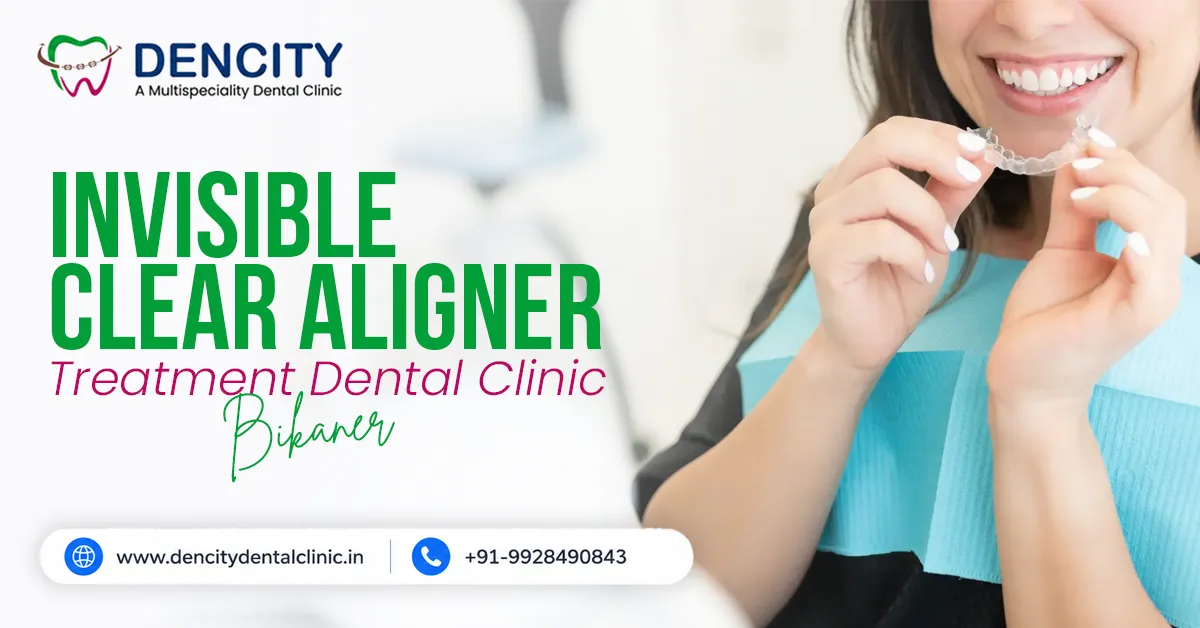
We are the clear aligner dental clinic in Bikaner. Get invisible braces for teeth gap here & choose tooth aligner treatment Bikaner for a confident smile.
A straighter smile can get you both confidence and good oral health. However, many people hesitate to undergo orthodontic treatment because they do not want traditional metal braces to affect their appearance. Today, modern orthodontic solutions such as clear braces treatment and Invisalign treatment offer a discreet alternative for correcting crooked teeth, spacing, crowding, and other common alignment concerns.
If you are also considering invisible braces for teeth gap and looking for a reliable clinic for invisible braces treatment in Bikaner, understanding the treatment process and expected cost can help you find the right option.
Are you searching for an invisible braces clinic near me? Just book a consultation with our dental experts and explore personalized clear aligner treatment for a confident and healthier smile.
What Are Invisible Aligners For Teeth?
Invisible braces are orthodontic appliances designed to straighten your teeth with minimal impact on your appearance, giving you a confident and healthier smile. The traditional metal braces use visible brackets and wires that many people avoid to opt for. But, clear aligners are made from transparent, medical-grade material and fit closely over the teeth.
An invisible aligner for teeth is custom-made according to your dental structure. A dentist first evaluates your teeth and bite, after which digital scans, photographs, or impressions may be used to plan the treatment. A series of aligners is then created to gradually move the teeth into their desired positions.
A clear aligner for teeth is removable and nearly invisible, which makes it a popular choice among adults, working professionals, college students, and teenagers.
How Does Invisible Aligner Treatment Bikaner Work?
Invisible aligner treatment is a modern orthodontic procedure that uses a series of clear, removable aligners. It gradually moves teeth into their desired and perfect positions. These clear aligners are designed to be easily managed and removed when eating, drinking, brushing, and flossing.
The treatment of clear braces for teens, kids, and adults begins with a comprehensive assessment and continues through customized treatment planning, a series of aligners, regular monitoring, and retention.
Step 1 – Dental And Orthodontic Consultation
The first step you need to take is to go for a detailed consultation with your dentist or orthodontist. During this appointment, your oral health, tooth alignment, bite, gums, and jaw relationship are evaluated. Your dentist will also discuss your concerns, such as crowded teeth, gaps, rotated teeth, or certain bite problems.
Not every orthodontic problem is suitable for invisible aligners, so this assessment is important for determining whether aligner treatment is an appropriate option for you.
Step 2 – Digital Scanning And Treatment Planning
If you are evaluated as a suitable candidate, your dentist may use an intra-oral digital scanner to develop a highly detailed 3D model of your teeth. Digital scanning eliminates the need for traditional dental impressions in many cases and allows your dentist to examine the alignment of your teeth more precisely.
Using the digital model, your dentist develops a customized treatment plan. The plan maps out how your teeth are expected to move throughout treatment and helps determine the approximate number and sequence of aligners required.
Step 3 – Customized Clear Aligners
Based on your treatment plan, a series of custom-made transparent aligners is prepared. Each aligner is made to apply gentle, controlled pressure to specific teeth. As a result, it gradually adjusts teeth toward their planned positions.
By this, you will typically move from one aligner to the next according to the plan provided by your clear braces treatment dentist. Every aligner represents a different stage of tooth movement and wearing them in the recommended sequence is crucial for treatment to progress as planned.
Step 4 – Wearing The Aligners Regularly
For aligner treatment to go on effectively, consistency is important. Patients are usually recommended to wear their aligners for most of the day, following the wear-time recommendation provided by their dentist or orthodontist.
Clear braces for teeth are usually removed for eating and drinking beverages other than water, as well as for brushing and flossing. After meals and oral hygiene, the aligners should be cleaned and placed back in the mouth as directed.
Since the aligners are removable, maintaining good oral hygiene is relatively convenient. However, frequently leaving them out for extended periods can affect the progress of treatment.
Step 5 – Regular Progress Monitoring
Invisible or clear braces treatment needs regular visits and follow-up appointments. During these visits, your dentist will examine whether your teeth are moving as per the treatment plan and evaluate your overall oral health.
Depending on your progress, your dentist may make adjustments to the treatment plan or recommend additional aligners. In some cases, small tooth-coloured attachments or other orthodontic aids may be used to help certain teeth move more predictably.
Regular monitoring also gives you an opportunity to discuss any discomfort, concerns, or difficulties you may experience during treatment.
Step 6 – Completion Of Active Treatment
As you move through the prescribed series of aligners, your teeth gradually approach their planned positions. The duration of the entire clear braces treatment varies from person to person and depends on factors such as the complexity of the case, the amount of tooth movement required, and how consistently the aligners are worn.
Once the planned tooth movements have been achieved, your dentist will assess the final result and determine whether any additional refinement is needed.
Step 7 – Retention After Treatment
Completing the aligner series does not necessarily mean orthodontic treatment is finished permanently. Teeth can naturally shift over time, particularly after active orthodontic treatment.
To help maintain the results, your dentist may recommend wearing retainers. Retainers are designed to hold the teeth in their corrected positions and reduce the likelihood of unwanted tooth movement.
Following your dentist's instructions regarding retainer use is therefore an important part of maintaining your new smile.
Invisible Braces For Teeth Gap
Gaps between teeth, medically known as spacing or diastema, are a common reason people seek orthodontic treatment. Depending on the cause and severity of the gap, invisible braces for teeth gap can be an effective treatment option.
Clear aligners gradually apply controlled pressure to move selected teeth closer together. However, not every type of gap can be treated in the same way. A gap caused by gum problems, missing teeth, an unusually large frenum, or another underlying condition may require additional dental treatment.
For this reason, it is important to consult a certified clear braces dentist in Bikaner before choosing clear aligners completely based on appearance. A professional evaluation can determine the cause of the teeth gap and along with the most appropriate treatment option.
What Parents Should Know Before Choosing Invisible Braces For Kids And Teens?
Choosing the right orthodontic treatment for a child and teenager is an important decision for parents. Invisible braces for kids and teens is a convenient way to address certain tooth alignment problems. But how to find the right option?
Well, it depends on your child’s dental development, treatment needs, and ability to follow dentist's instructions. Before making a decision, as a parent, you should understand the below given key factors:
Clear Braces For Kids
Clear orthodontic options can be a convenient choice for children who are concerned about the appearance of traditional braces. However, treatment should be planned according to the child's dental development and orthodontic requirements.
Before recommending clear braces for kids, a dentist may consider:
- The stage of permanent tooth eruption
- Facial and jaw development
- Existing bite problems
- Available space for permanent teeth
- Your child's ability to follow treatment instructions
- Overall oral hygiene and dental health
Clear Braces For Teens
Teenagers often look for an orthodontic solution that fits naturally into their daily activities, including school, social, and extracurricular activities. Clear braces for teens are a modest way to address specific teeth alignment problems.
Some factors that can make treatment easier for teens include:
- Following the recommended wear schedule.
- Cleaning the teeth and orthodontic appliance properly.
- Keeping up with scheduled dental visits.
- Taking appropriate care during sports and physical activities.
- Following dietary and appliance-care instructions.
- Using retainers as recommended after treatment.
What Is The Invisible Teeth Braces Price?
One of the major concerns for people opting for invisible teeth braces is the cost/pricing. Before making any decision, it’s suggested to always compare the prices. Well, there is no fixed invisible braces cost that applies to all.
The final cost depends on an individual’s dental condition, treatment objectives, aligner system, and the level of care required throughout the treatment.
Below, we have discussed the factors that determine the invisible teeth braces price and fees:
- Severity Of Tooth Crowding Or Spacing
If you have a mild alignment concern, you may require fewer stages of treatment. But if your teeth are struggling with complex concerns, you need a longer treatment plan.
- Complexity Of The Bite
The bite-related concerns and their level of complexity decide what additional planning and number of aligners you need. Based on these insights, the invisible braces price is decided.
- Number Of Clear Aligner For Teeth
Your dentist will first examine the condition of your teeth and then decide how many customized aligners you need. It also depends on the type of tooth movement planned, and accordingly the prices vary.
- Expected Treatment Duration
A longer treatment period may require more aligners and extra monitoring appointments. These requirements can also impact the overall expense of the treatment.
- Type Of aligner system
Different aligner systems may have different pricing structures depending on their technology, materials, treatment planning process, and provider network.
- Diagnostic Scans And Dental Investigations
Digital scans, photographs, X-rays, and other assessments at the clear aligner treatment clinic also play an important role in developing an appropriate treatment pricing plan.
- Follow-Up Appointments
Regular visits allow your clear braces dentist in Bikaner to monitor progress and determine whether the treatment is progressing as planned.
- Retainers After Treatment
Retainers are often an important part of maintaining the position of teeth after active orthodontic treatment and may be included separately in the overall invisible braces cost.
Benefits Of Invisible Clear Aligners
Clear aligners have become popular because of their combination of appearance and convenience. Some potential advantages include:
- Near To Invisible Appearance
The transparent material makes aligners less noticeable than traditional metal braces. It is one of the main reasons patients choose an invisible aligner for teeth.
- Removable And Easy Design
Unlike fixed braces, aligners can generally be removed for eating, drinking, and oral hygiene, according to the instructions provided by your dentist.
- Easier Oral Hygiene
The aligners are removable, and so this makes brushing and flossing easier compared with cleaning around fixed brackets and wires.
- No Metal Brackets And Wires
Patients who prefer to avoid the appearance of traditional braces may appreciate the clear design.
- Convenient For Many Lifestyles
For working professionals, college students, and teenagers, the discreet appearance of aligners can make orthodontic treatment easier to fit into everyday life.
When To Visit Clear Aligner Dental Clinic Bikaner?
If you notice changes in your teeth, never wait! Visiting a clear aligner dental clinic in Bikaner can help you understand whether the treatment is suitable for your needs. Rather than choosing aligners based only on online information or advertisements, consider a professional evaluation. When you are searching for "invisible braces clinic near me," it can help identify the cause and complexity of your dental concern.
Consider visiting the certified and best dental clinic for clear braces in Bikaner for the treatment if you notice any of the following concerns:
- Crowded Or Overlapping Teeth
Teeth that appear too close together or overlap may sometimes be improved with orthodontic treatment.
- Gaps Or Spaces between Teeth
Spaces between teeth can have different causes, and a dentist can determine whether clear aligners may be suitable for closing them.
- Mild Tooth Misalignment
If some teeth appear rotated, tilted, or positioned unevenly, an assessment can determine whether aligner treatment can address the concern.
- Changes In Your Bite
An uneven bite, difficulty bringing your teeth together comfortably, or noticeable changes in how your upper and lower teeth meet is also an indication that you need to visit a clear aligner treatment clinic.
What Happens During Your First Visit At Clear Aligner Dental Clinic Bikaner?
When you visit a clear aligner dental clinic Bikaner, you will begin with the initial assessment of your oral health before any treatment is recommended. The dentist may evaluate your teeth and gums, your bite, and discuss the respective concerns and expectations.
Depending on the overall assessment, the dentist may recommend:
- Digital scans or impressions to develop an accurate representation of your teeth.
- Photographs of your dentist to document the current condition of your smile.
- X-rays or other investigations, when clinically required.
- Treatment planning to determine the type and extent of tooth movement required.
- Discussion of treatment duration and cost so you understand the expected. commitment before starting.
This evaluation is important because clear aligners are not suitable for every orthodontic condition. Your dentist can explain whether aligners are appropriate or whether another form of orthodontic treatment would provide a more predictable outcome.
Get Your Invisible Teeth Braces Treatment Done Today!
Invisible clear aligners is a convenient process to improve your tooth alignment without using the traditional metal braces. Whether you're struggling with closing teeth gaps or need to treat certain crowding and bite problems, the clear braces treatment is your solution. It can be customized according to your needs and overall oral health. We hope this blog post has helped you learn about the treatment, respective invisible braces price, treatment duration, and suitability. So, if you are searching for a certified invisible aligner treatment in Bikaner, contact Dencity.
Recent Posts
05 Oct 2026
30 Sep 2026
30 Sep 2026